Every vehicle owner eventually faces that unsettling moment when the dashboard lights up like a holiday display. A strange tapping sound under the hood or a sudden loss of acceleration can cause an immediate sinking feeling. Owning a vehicle brings incredible freedom, but it also introduces moments of tough financial calculation. When a machine operates perfectly, nobody thinks about the components holding it together. But when a major failure occurs, the relationship between an owner and their vehicle changes instantly. This sudden shift from carefree driving to stressful uncertainty catches most individuals completely off guard, instantly disrupting their daily schedule and weekly budget plans.
The central question emerges: Is it smarter to fix the current ride or finally let it go? Drivers frequently find themselves balancing sentimentality against cold math. It is easy to remember road trips and memories attached to a specific set of wheels. However, machinery does not care about memories. Components wear out, and systems eventually degrade over time. Finding a trustworthy auto repair service is always the first step when analyzing the problem. A professional inspection clarifies the situation, turning vague anxieties into hard numbers on an estimate sheet. From that point forward, the decision becomes a practical business dilemma for the household budget.
The Initial Shock of the Breakdown
A vehicle failure rarely happens in a convenient spot like an owner’s driveway. More often than not, mechanical breakdowns happen on busy highways, during rainstorms, or while the driver is running late for work. The immediate priority in these stressful scenarios shifts from long-term financial planning to basic safety and logistics. Getting the vehicle off the road and to a secure location requires professional assistance. This is where a reliable towing service becomes completely essential to resolve the immediate crisis.
Once the vehicle is safely loaded onto a flatbed and transported away from traffic, the panic subsides and reality sets in. Sitting in the cab of the recovery truck gives a driver time to think about what comes next. The cost of transport is merely the introductory fee to a much larger financial conversation. As the vehicle arrives at a workshop yard, the owner must prepare for an honest assessment. Roadside breakdowns are loud warnings that a machine might be reaching the final chapters of its useful lifespan. It forces an immediate look at whether the vehicle still deserves a place in the monthly budget. Evaluating these numbers early prevents people from making hasty choices under emotional duress while standing in a repair shop lobby.
Evaluating Mechanical Worth: The Core Powertrain
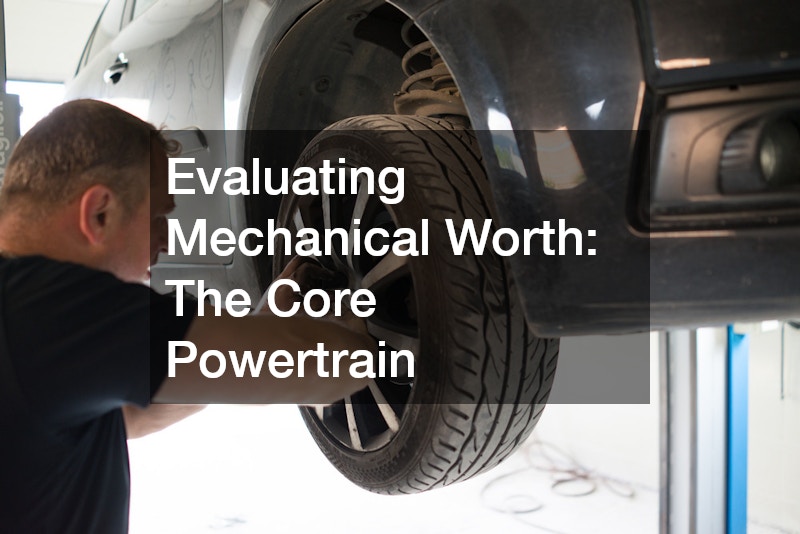
The heart of any vehicle resides within the engine block and the transmission assembly. These core components are highly complex, built with tight tolerances, and expensive to replace or rebuild. When a mechanic delivers news about a blown head gasket, a cracked engine block, or a slipped transmission gear, the numbers look daunting. Powertrain repairs frequently climb into thousands of dollars, often rivaling the total residual value of an older car. A vehicle with an un-drivable powertrain quickly transforms from a convenient asset into an expensive piece of driveway scenery.
Drivers must look closely at how the vehicle ran before this major failure occurred. If the engine was already burning oil or the transmission was shifting roughly for months, a sudden total failure is not a fluke. It is a symptom of systemic wear. Investing massive sums into a new engine while ignoring an aging transmission is a classic financial trap. These parts rely on each other, meaning a new component can place extra stress on surrounding older systems. Owners must look at the vehicle as a holistic system. If the core powertrain requires emergency surgery, the financial justification for keeping the vehicle drops significantly.
Routine Maintenance vs. Major Overhauls
A clear distinction exists between regular upkeep and a catastrophic mechanical failure. Drivers sometimes panic over repair costs that are actually just standard wear items. For instance, replacing worn pads, rotors, or calipers at a local auto brake service shop is a normal part of vehicle ownership. These components are designed to wear down over time to protect occupants and ensure reliable stopping power. Spending money on predictable safety maintenance is highly logical because it preserves the baseline value of a working vehicle.
The problem arises when these routine items begin to pile up simultaneously alongside major engine faults. If a car needs fresh stopping components, a new set of tires, a battery, and an alternator simultaneously, the combined invoice mimics the cost of an engine overhaul. Drivers need to keep an active log of what has been replaced recently. If a vehicle has received consistent upkeep, paying for one large repair might still make perfect sense. If maintenance has been neglected for years, the sudden accumulation of bills creates an insurmountable financial mountain. In these scenarios, the sheer volume of cascading issues signals that the overall mechanical ecosystem is reaching its breaking point.
Structural Integrity After an Accident
Mechanical wear is one thing, but sudden physical trauma from a roadway collision changes the financial math completely. Physical impacts can compromise the structural frame or unibody architecture of a vehicle, introducing massive long-term safety risks. When a vehicle sustains severe structural damage, standard mechanical shops cannot simply bolt on new parts. The vehicle must go to specialized collision repair services to undergo frame straightening and structural alignment checks.
If the underlying frame of the car is bent, the vehicle may never behave correctly in a subsequent accident. These repairs require heavy machinery and specialized technicians who understand metallurgy. Labor costs for these complex procedures accumulate at a frightening pace. Often, hidden damage hides beneath crumpled exterior panels, only coming to light once the teardown process begins. A repair that initially seemed straightforward can quickly double in scope once technicians look deeper into the structural supports. If structural integrity cannot be guaranteed to factory standards, the vehicle becomes a major liability.
Navigating the Financial Side of Major Incidents
When an accident occurs, private vehicle owners rarely navigate the financial aftermath alone. The presence of an insurance policy changes how a driver evaluates the viability of a major repair job. An auto insurance provider steps in to assess the damages, calculate total repair costs, and compare those figures against the actual cash value of the vehicle. If the repair estimates approach a certain percentage of the vehicle’s market value, the company will declare the vehicle a total loss.
This threshold varies by region but generally hovers around seventy to eighty percent of the car’s pre-accident value. For older vehicles, a minor fender bender can trigger a total loss declaration because the market value of the car was already low. Drivers often face a tough choice when given a payout offer. They can accept the settlement check and let the company take the car, or they can choose to retain the salvage title and attempt repairs out of pocket. Retaining a salvage vehicle is filled with administrative hurdles, inspections, and long-term insurance complications. Navigating this complex bureaucracy requires extensive paperwork and significant patience from the policyholder.
Cosmetic Damage: Beyond the Surface

Not all vehicular damage stems from catastrophic collisions or internal engine meltdowns. Every day life on the road inflicts a slow, steady toll on the exterior appearance of any automobile. Parking lot mishaps, stray grocery carts, flying highway gravel, and minor backing incidents cause noticeable exterior degradation over time. While these issues might seem purely aesthetic, ignoring professional auto body repairs can lead to serious structural complications later on.
When paint chips away or panels warp, the underlying bare steel becomes exposed to moisture, road salt, and oxygen. This exposure creates the perfect environment for rust to develop and spread quietly beneath the surface. An ugly blemish can transform into structural rot within a few seasons. Deciding to invest in body restoration depends heavily on the mechanical health of the vehicle. If the car runs beautifully, maintaining the exterior prevents depreciation. However, if the car is already experiencing mechanical faults, spending thousands of dollars to fix wrinkled metal panels is a poor allocation of limited household funds.
Minor Imperfections and Surface Value
For smaller cosmetic issues, vehicle owners have access to highly efficient modern restoration techniques that do not require full panel replacements. A minor parking lot ding or a shallow crease from a rogue basketball can often be addressed quickly. Utilizing a specialized dent repair service allows technicians to gently massage the metal back into its original shape without disturbing the factory paint finish. This process preserves the original clear coat and saves substantial money compared to traditional body filling and painting methods.
Once the metal panels are perfectly smooth and free of blemishes, the vehicle retains its visual appeal. These quick aesthetic fixes make perfect sense for a reliable, late-model vehicle that the owner plans to drive for several more years. They maintain the pride of ownership, protect the resale value, and prevent minor dings from becoming major annoyances. But if the car is already dealing with severe structural or mechanical defects underneath, spending time on surface blemishes is an unnecessary distraction from the larger financial issues at hand. A gleaming exterior provides very little comfort if the machine continuously stalls during morning traffic or refuses to start altogether.
Premium Upgrades and Value Preservation

Beyond basic structural fixes, some vehicle owners look into premium protection methods to maintain their vehicle’s exterior finish against harsh weather elements. Applying a high-grade ceramic coating creates a microscopic hydrophobic layer over the paint, defending it from bird droppings, tree sap, minor scratches, and intense ultraviolet sunlight. This liquid polymer bonds chemically with the factory paint, making the vehicle far easier to clean and giving it a permanent showroom gloss.
Deciding whether to authorize a massive mechanical repair or invest in high-end exterior protection requires an unemotional look at the math behind vehicle depreciation. Every automobile, except for rare classics, loses value as time passes and mileage increases. Automotive experts often point to a specific financial threshold known as the rule of diminishing returns. If a single repair bill costs more than fifty percent of the vehicle’s total market value, the repair is rarely a wise investment. Spending three thousand dollars to fix an old sedan that is only worth four thousand dollars does not make the car worth seven thousand dollars.
The Threshold of Diminishing Returns
When the repair estimates surpass the actual value of the vehicle, it is time to stop looking at mechanics and start exploring disposal options. Many drivers assume that a broken, dented, or non-running vehicle has zero market value, but that is a major misconception. An entire industry exists around purchasing vehicles that are no longer fit for the daily commute. Finding business entities that advertise with phrases like buy my cars provides a straightforward exit strategy for stressed vehicle owners.
These buyers look past the blown engines, cracked windshields, and dented doors because they see value in the raw materials and salvageable components. Selling a compromised vehicle directly to an automotive liquidator eliminates the headache of finding a private buyer who might back out due to mechanical defects. It spares the owner from having to negotiate with skeptical private parties or pay for classified listings. Pivoting away from the repair mindset and moving toward a liquidation strategy frees up mental space and prevents further financial drain on the household budget.
Pivoting to Alternative Solutions
The final transition from vehicle owner to vehicle seller can happen fast once the decision is made. Instead of watching an old vehicle slowly rust away in the driveway or accumulate storage fees at a local workshop, owners can choose immediate liquidation. Trading an unreliable or heavily damaged vehicle for a fast car for cash transaction allows the owner to close the chapter. The immediate injection of funds can then be directly applied as a down payment toward a much more reliable, newer vehicle with a factory warranty.
This route eliminates the ongoing anxiety of wondering if the vehicle will start or break down unexpectedly. Walking away from a problematic vehicle is not a failure; it is a smart, calculated financial pivot. Machinery has a natural lifespan, and recognizing when that lifespan has concluded is the sign of a savvy consumer. By weighing repair estimates against actual market value and looking at alternative liquidation options, drivers can confidently make the best choice for their wallets and their peace of mind.