Every vehicle has a definitive threshold where amateur curiosity must give way to certified expertise. Pushing past your mechanical comfort zone does not just risk a botched job that leaves your vehicle stranded; it can permanently compromise the structural integrity, safety systems, and resale value of your automobile. Knowing exactly when to step away from the toolbox and call in a specialist is one of the most critical aspects of responsible vehicle ownership. This comprehensive guide breaks down the complex systems of your vehicle, detailing which tasks you can realistically handle and which ones absolutely demand the touch of a seasoned professional.
The Evolution of Modern Vehicle Complexity

Evaluate internal technical requirements before picking up a wrench
The days of tuning a carburetor by ear or setting spark plug gaps with a simple feeler gauge are firmly in the past. Today’s vehicles rely on an intricate web of electronic control units that communicate via complex digital networks. A single issue that manifests as a simple stumble during acceleration could be caused by anything from a fouled sensor to a microscopic software glitch deep within the vehicle’s central architecture. Diagnosing these issues requires sophisticated scanning equipment that costs thousands of dollars, far beyond the capabilities of a generic code reader you might buy online. If your diagnostics require decoding nested sensor streams or flashing software modules, it is time to seek a dedicated car service to prevent accidental damage to sensitive electronics.
Assess the physical risks of handling high-pressure and high-voltage systems
Beyond the digital complexity, the physical architecture of modern vehicles presents significant safety hazards to the untrained enthusiast when attempting car repairs. Fuel systems operate at incredibly high pressures, suspension springs hold massive amounts of kinetic energy, and hybrid or electric powertrains utilize bright orange high-voltage cables capable of delivering fatal electrical shocks. Without specialized safety gear, insulated tools, and factory-mandated discharge procedures, attempting to service these components can result in severe personal injury. Recognizing the inherent dangers of these systems is the first step in avoiding catastrophic garage accidents.
Engine Diagnostics and Internal Mechanical Work
Listen for deep internal engine noises before attempting a teardown
Simple external engine components, like an alternator or an accessory drive belt, are excellent candidates for a dedicated backyard mechanic. However, when the issues move inside the engine block or cylinder head, the game changes completely. Low oil pressure warnings, persistent metallic knocking sounds, or heavy blue smoke billowing from the tailpipe indicate internal mechanical distress. Remediating these issues often requires precise measurements down to the thousandth of an inch, using specialized micrometers and dial indicators. If you hear deep, rhythmic thudding from the lower half of the motor, immediately stop driving and contact an expert who specializes in complex auto repair procedures to prevent total engine destruction.
Identify specialized powertrain needs based on fuel type and brand
The type of engine under your hood dictates the level of expertise required to fix it. For instance, heavy-duty work trucks and specialized passenger cars utilizing compression-ignition systems require a unique approach. Diagnosing high-pressure common rail fuel injectors or servicing complex turbocharger variable geometry systems requires tools that standard garages do not even possess, making professional diesel engine repairs a strict necessity for these power plants. Similarly, high-end European imports feature highly proprietary engineering. Working on these vehicles demands specialized factory diagnostic software and unique timing chain alignment tools, which is why sourcing dedicated Audi repair specialists is always a smarter choice than trying to force generic tools to work on precision European components.
Drivetrain and Power Delivery Systems
Monitor shift quality and fluid conditions to catch major failures early
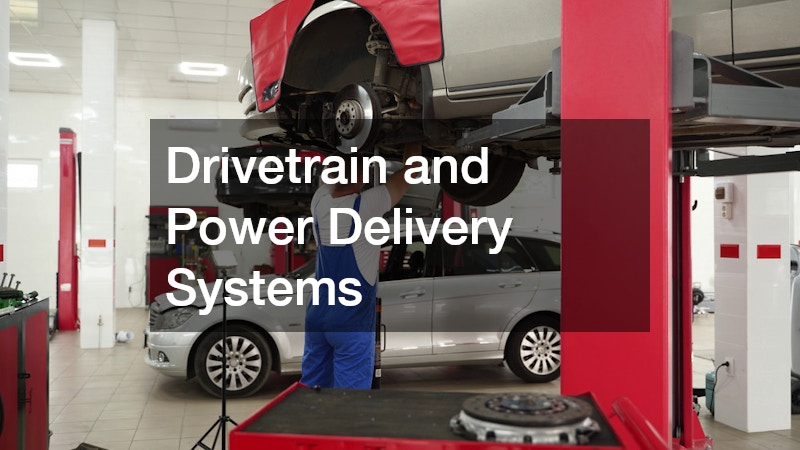
The transmission is arguably the most complex mechanical component in your vehicle, containing a labyrinth of hydraulic pathways, planetary gear sets, clutches, and electronic solenoids. While draining and refilling transmission fluid can sometimes be accomplished by an advanced hobbyist, attempting to fix a slipping gear, a delayed engagement, or a harsh shift pattern in your driveway is a recipe for disaster. Misaligning a single thrust washer or over-torquing a valve body bolt during DIY attempts can completely ruin the unit. Entrusting these delicate interventions to specialists who perform transmission repairs daily ensures that your vehicle’s power delivery remains smooth, safe, and fully warrantied.
Check for localized driveline vibrations before components separate completely
The drivetrain extends far beyond the gearbox itself, encompassing CV joints, drive shafts, differentials, and transfer cases. When these components begin to fail, they usually send warning signs through the vehicle chassis in the form of high-frequency vibrations or rhythmic clicking while turning. Working on a differential requires setting the precise gear lash and pinion depth using specialized marking compounds and shims. If these tolerances are off by even a hair, the gears will shred themselves under load. When driveline vibrations emerge, having a professional evaluate the system protects your vehicle from sudden, dangerous component failures at highway speeds.
Brake Systems and Advanced Safety Electronics
Test pedal feel and visual pad thickness regularly to ensure stopping power
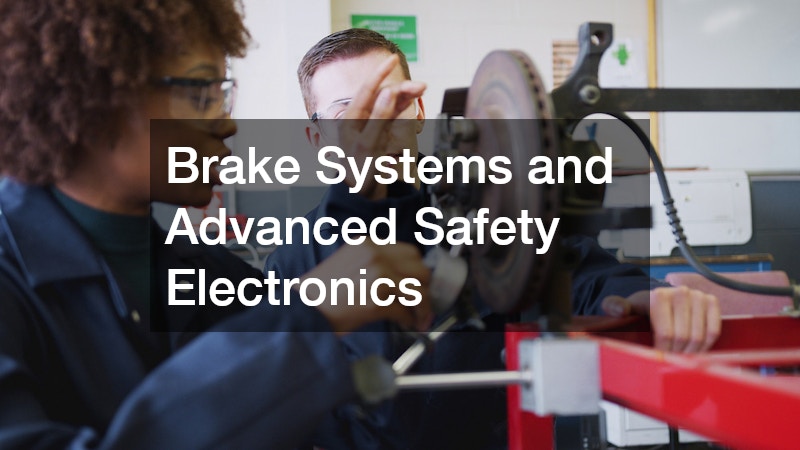
A standard brake job involving the replacement of worn brake pads and rotors is often considered a rite of passage for DIYers. It is a straightforward mechanical task, but it still requires absolute precision. If a caliper slider pin binds up or a pad is installed backward, your stopping distance increases exponentially. Furthermore, if your brake pedal feels unusually spongy or sinks slowly to the floorboards when pressed at a stoplight, you are likely dealing with an internal master cylinder bypass or a compromised hydraulic line. Because your braking system is the single most important safety feature on your vehicle, any issue beyond a basic pad swap should be handed over to a certified technician.
Avoid touching the camera and radar sensors during front-end maintenance
Modern vehicles are equipped with Advanced Driver Assistance Systems, which control autonomous emergency braking, lane-keeping assistance, and adaptive cruise control. These systems rely on cameras mounted behind the rearview mirror and radar sensors embedded in the front bumper. If you replace a windshield or remove the front bumper assembly to fix a minor mechanical issue, these sensors must be meticulously recalibrated using specialized laser targets and digital alignment systems. Attempting to eyeball the alignment of these safety sensors can cause your vehicle to miscalculate distances, leading to unexpected braking interventions or a complete failure to detect obstacles.
Structural, Aesthetic, and Collision Damage

Document structural damage carefully after any on-road collision
Physical damage to the exterior of your vehicle involves far more than just aesthetics. When an impact occurs, the crumple zones built into the vehicle’s unibody frame are designed to buckle in specific patterns to absorb energy and protect the cabin occupants. Attempting to pull out a dented frame rail or weld a cracked structural pillar in a home garage can leave the vehicle incredibly vulnerable in a subsequent impact. Certified auto body shops utilize massive frame-alignment machines and computerized measuring systems to ensure the vehicle is restored exactly to factory safety specifications, making them indispensable after a significant crash.
Separate the mechanical restoration from the legal realities of an accident
When a vehicle requires extensive structural or cosmetic work due to a collision caused by another driver, the repair process becomes intertwined with legal and financial complexities. Dealing with insurance adjusters who want to cut corners or use substandard aftermarket parts can be incredibly stressful. In these scenarios, navigating the aftermath requires a dual approach: while structural technicians fix the sheet metal, securing the advice of a car accident attorney helps ensure that your medical bills, diminished vehicle value, and repair costs are fully covered by the liable party. Managing the legal documentation alongside the physical repairs ensures that your financial recovery is as complete as your vehicle’s mechanical restoration.
Legal Support and Financial Resource Management
Protect your long-term health by consulting legal advocates for injuries
Car fixes are often the visible consequence of a much more serious underlying event involving human injury. If a mechanical failure or an unexpected collision results in physical harm to you or your passengers, focusing solely on getting the car back on the road is a mistake. The financial strain of emergency room visits, physical therapy, and lost wages can quickly eclipse the cost of fixing the automobile. Engaging highly qualified personal injury lawyers early in the process ensures that your rights are fiercely protected, allowing you to focus on physical recovery while professionals manage the complex negotiations with insurance corporations.
Evaluate alternative funding options when facing sudden, catastrophic repair bills
One of the primary reasons vehicle owners attempt risky, overly complex DIY projects is the sudden, jarring cost of professional service. A blown engine or a destroyed transmission can easily result in an unexpected bill totaling thousands of dollars. When savings are insufficient, trying to force a cheap, temporary fix often leads to total vehicle loss. Instead of risking a dangerous home repair, exploring options like personal loans can provide the necessary capital to have the work done safely by certified technicians. Spreading the cost of a major mechanical restoration over time through structured financing keeps you driving a safe, reliable vehicle without draining your emergency funds.
Electrical Systems and Complex Wiring Faults
Trace power drops systematically before cutting into factory wire looms
Automotive electrical troubleshooting is notoriously difficult and time-consuming. A single short circuit can cause a cascade of seemingly unrelated symptoms, such as a radio that shuts off when the headlights are activated or a battery that drains completely overnight. Tracking down these parasitic drains requires a deep understanding of Ohm’s law, digital multimeters, and complex wiring schematics that span dozens of pages. If you begin cutting into factory wiring harnesses without knowing exactly how the circuit operates, you run a massive risk of deploying an airbag accidentally or melting an entire wiring trunk, transforming a minor electrical nuisance into a total vehicular fire hazard.
Trust automated climate control diagnostics to certified environmental technicians
The heating, ventilation, and air conditioning system in your car is tied directly to its electrical and engine management brains. While adding a generic bottle of refrigerant from a local auto parts store seems like a quick fix for a warm cabin, it often does more harm than good. These DIY cans frequently contain stop-leak additives that can clog the delicate expansion valves and destroy the expensive air conditioning compressor. Furthermore, handling automotive refrigerants requires specialized recovery machines to prevent dangerous gases from escaping into the atmosphere. Professional technicians use precise weight scales to load the exact amount of refrigerant required, ensuring optimal cooling performance without damaging the environment or the system components.
Steering, Suspension, and Alignment Precision
Inspect control arm bushings for tearing before scheduling an alignment
Your vehicle’s suspension system is responsible for maintaining tire contact with the road while managing cornering forces and absorbing bumps. Over time, rubber bushings crack, ball joints develop dangerous play, and shock absorbers leak their internal hydraulic fluid. While replacing a bolt-on sway bar link is well within the realm of a backyard mechanic, replacing pressed-in control arm bushings or front struts requires heavy-duty shop presses and heavy spring compressors. If a spring compressor slips in a home garage, the released energy can be devastating. Allowing a professional to handle these high-load components keeps your garage safe and ensures your suspension functions perfectly.
Recognize the subtle signs of tracking errors that cause premature tire wear
Whenever suspension components are replaced, the vehicle’s steering geometry is fundamentally altered. Even if you carefully mark the positions of the old parts, the new components will have slight variations that throw off the camber, caster, and toe angles. Driving a vehicle with an incorrect alignment will quickly destroy an expensive set of tires and cause the car to pull dangerously to one side of the road. True wheel alignment can only be achieved using a specialized alignment rack equipped with optical sensors and computerized databases containing the exact specifications for your specific year, make, and model.
Smart Shop Selection and Long-Term Vehicle Maintenance
Research shop credentials and customer feedback thoroughly before booking
Once you decide that a job is too big for your own garage, the next step is finding the right facility to handle the work. Not all repair shops are created equal, and choosing the wrong one can lead to recurring mechanical issues and inflated bills. Look for facilities that employ technicians certified by the National Institute for Automotive Service Excellence. These credentials indicate that the individuals working on your vehicle have proven their knowledge through rigorous testing and have significant hands-on experience. Checking online reviews and asking for recommendations from friends can help you steer clear of disreputable operations.
Demand transparent written estimates before authorizing any teardown work
A reputable repair facility will always prioritize clear communication and transparency. Before any work begins on your vehicle, the service advisor should provide a detailed, written estimate breaking down the exact cost of parts and labor. They should be willing to explain why each specific repair is necessary and show you the worn or broken parts on your vehicle if you ask. If a shop hesitates to provide a written estimate or pressures you into authorizing vague, expensive procedures without a clear explanation, take your keys and look for an organization that values integrity and open communication.
The line between a successful home garage triumph and a costly, dangerous mechanical failure is incredibly thin. While taking care of routine items like oil changes, spark plugs, and simple cosmetic upgrades is a fantastic way to bond with your machine and maintain its longevity, recognizing when a task exceeds your tooling and experience is paramount. Complex engine diagnostics, intricate drivetrain overhauls, advanced safety system calibrations, and structural restoration are specialized disciplines that require extensive training, specialized software, and industrial-grade equipment.