Stay Calm and Take Control in a Breakdown Situation
Few things are as stressful as your car suddenly breaking down, especially if it happens in traffic, at night, or far from home. In those moments, panic can make it harder to think clearly and take the right steps. The most important thing you can do first is stay calm and focus on your safety. A breakdown is inconvenient, but with the right approach, it can be handled efficiently and safely.
Understanding what to do ahead of time gives you a major advantage. Instead of reacting emotionally, you can follow a clear plan that protects you, your passengers, and your vehicle. From assessing the issue to contacting the right help, each step plays a role in resolving the situation quickly. This guide will walk you through exactly what to do, offering practical advice you can rely on when it matters most.
Stay Safe and Move Your Vehicle Out of Danger

Your first priority during any breakdown is safety. As soon as you notice something is wrong, turn on your hazard lights to alert other drivers. If possible, carefully guide your vehicle to the shoulder of the road, a parking lot, or another safe location away from traffic. Avoid stopping in blind spots such as curves or hills where other drivers may not see you in time.
Once your vehicle is stopped, assess your surroundings before exiting. If you’re on a busy highway, it may be safer to remain inside your car with your seatbelt fastened until help arrives. In lower-risk areas, you can step out cautiously and place warning triangles or cones behind your vehicle if you have them. Visibility is key to preventing further danger.
If your car cannot be moved or is in a hazardous position, calling roadside assistance is often the best next step. These services are equipped to handle emergencies quickly and can provide support such as jump-starts or tire changes. In more serious situations, towing may be necessary to remove your vehicle safely. Keeping an emergency kit in your car—including a flashlight, reflective gear, and basic tools—can make a significant difference in these moments.
Quickly Assess the Situation Before Taking Action
Once you’re in a safe position, the next step is to determine what might have caused the breakdown. While you don’t need to be a mechanic, having a basic understanding of common issues can help you decide what to do next. Start by observing any warning lights on your dashboard, unusual noises, or changes in how the car was performing before it stopped.
Some problems are relatively simple to identify. For example, a dead battery might result in a clicking sound when you try to start the engine, while overheating could be indicated by steam coming from under the hood. These clues can help you determine whether a quick fix is possible or if professional car repair is needed.
In certain situations, you may be able to handle minor issues yourself, such as tightening a loose battery connection or adding coolant if levels are low. However, if the problem is unclear or involves critical systems, it’s best to avoid guessing. Attempting a fix without proper knowledge can lead to further damage.
Knowing when to seek professional auto repair is essential. If your vehicle shows signs of engine trouble, electrical failure, or fluid leaks, it’s safer to call for help. Taking a few minutes to carefully assess the situation can save you time, money, and frustration in the long run.
Decide Whether to Fix It Yourself or Call a Professional
After identifying the likely cause of the issue, you’ll need to decide whether it’s something you can handle on your own or if it requires expert attention. Some minor problems, like a flat tire or a drained battery, can often be resolved with basic tools and a bit of preparation. Having jumper cables, a spare tire, and a jack in your vehicle can make these situations much easier to manage.
However, many breakdowns require professional auto services to ensure the problem is resolved correctly. If your vehicle is making unusual noises, refusing to start, or showing signs of serious mechanical failure, it’s best to avoid attempting repairs yourself. In these cases, contacting nearby auto shops is the safest and most efficient option.
When choosing where to take your vehicle, consider factors such as proximity, reputation, and availability. Not all repair facilities are equal, and selecting a reliable shop can make a big difference in both cost and quality. If you’re unsure, ask the service provider for recommendations or look up reviews online.
Taking the time to make the right decision at this stage can prevent further damage and ensure your vehicle is repaired properly. While DIY fixes can be convenient, knowing your limits and trusting professionals when needed is key to handling a breakdown effectively.
Handle Transmission Problems the Right Way
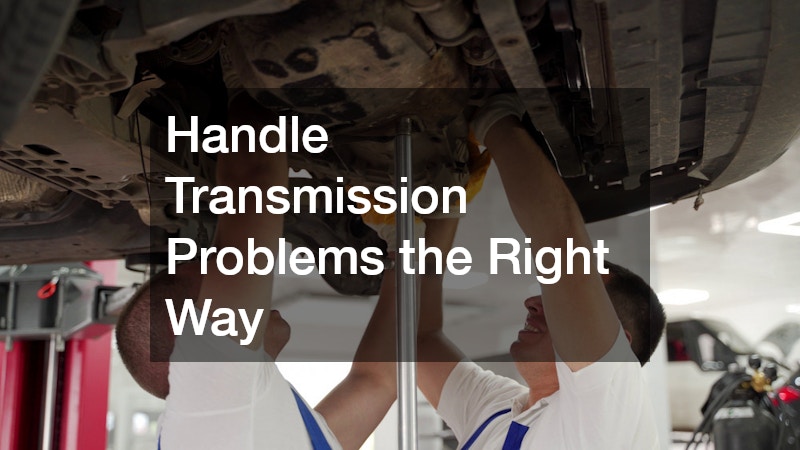
Transmission issues are among the more serious problems a vehicle can experience, and they often require immediate attention. Warning signs may include difficulty shifting gears, slipping between gears, delayed acceleration, or unusual grinding noises. If you notice any of these symptoms before or during a breakdown, it’s important to stop driving as soon as it is safe to do so.
Continuing to operate a vehicle with transmission problems can lead to extensive damage, turning a manageable repair into a costly replacement. This is why contacting a transmission mechanic promptly is critical. These specialists have the expertise to diagnose and address complex transmission issues accurately.
Professional transmission services typically involve a detailed inspection, fluid checks, and, if necessary, repairs or part replacements. While these services can be more involved than other types of maintenance, addressing the issue early can save you significant time and money.
To reduce the risk of future transmission problems, adopt preventative habits such as checking fluid levels regularly and avoiding aggressive driving. Staying proactive with maintenance helps ensure your vehicle remains reliable and reduces the likelihood of unexpected breakdowns related to transmission failure.
Address Brake Issues Before They Become Dangerous
Brake problems should never be taken lightly, as they directly impact your ability to control and stop your vehicle safely. Even minor warning signs can indicate deeper issues that may worsen quickly if ignored. Common symptoms include squealing or grinding noises, vibrations when braking, a soft or spongy pedal, or your car pulling to one side when you slow down. These signs often point to worn brake pads, damaged rotors, or issues within the hydraulic system.
If you notice any of these problems during or leading up to a breakdown, it’s important to limit driving as much as possible. Continuing to operate a vehicle with compromised braking can put you and others at serious risk. In most cases, the safest option is to have your vehicle transported to a brake repair shop, where trained professionals can perform a full evaluation and recommend the appropriate solution.
Seeking prompt auto repair for brake issues can prevent more extensive damage and higher repair costs. For example, replacing worn brake pads early is relatively inexpensive, but delaying service can lead to rotor damage, which is significantly more costly to fix. Acting quickly not only protects your wallet but also ensures your vehicle remains safe to drive.
To avoid emergency situations, make brake checks a regular part of your maintenance routine. Paying attention to how your brakes feel and sound, along with scheduling periodic inspections, can help you catch problems early and maintain reliable stopping performance.
Understand Your Coverage Before Calling for Help
Knowing what your coverage includes can make a stressful situation much easier to manage. Many drivers are unsure of what their insurance plan covers until they need it, which can lead to confusion and unexpected expenses during a breakdown. Taking the time to review your policy in advance can help you avoid these issues.
Some policies include roadside assistance, which can provide services such as jump-starts, tire changes, and lockout assistance. However, the level of coverage can vary, so it’s important to understand the details. Knowing whether your plan covers towing, labor costs, or emergency repairs can help you make informed decisions in the moment.
When contacting your provider, have your policy information and location ready. This allows for faster service and ensures you receive the assistance you’re entitled to. It’s also helpful to ask about any limitations or additional costs upfront.
Being prepared and informed about your coverage not only reduces stress but also helps you avoid unnecessary out-of-pocket expenses. A little preparation goes a long way in making a breakdown more manageable.
What to Expect When Your Vehicle Gets Towed
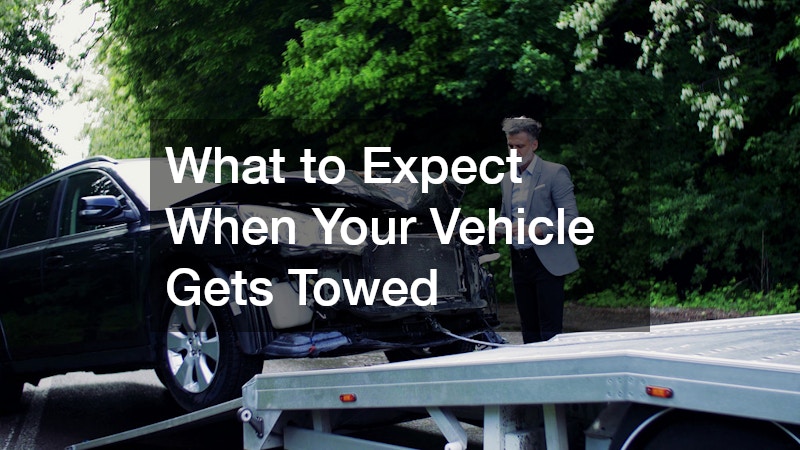
If your vehicle cannot be repaired on the spot, towing is often the next step. Understanding how the process works can help you feel more in control during an already stressful situation. Once you’ve arranged for towing, the service provider will transport your vehicle to a location of your choice, such as your home or a repair facility.
Choosing where to send your vehicle is an important decision. Many drivers opt for nearby auto shops to begin the repair process immediately. This can save time and reduce the need for additional transportation later.
Before the vehicle is towed, remove any personal belongings and confirm the destination with the driver. It’s also a good idea to ask about estimated arrival times and any associated fees. Being clear about these details helps prevent misunderstandings.
While towing may seem like an inconvenience, it’s often the safest way to handle a serious breakdown. By understanding the process and making informed choices, you can ensure your vehicle is handled properly and gets the attention it needs.
How to Communicate Clearly with Mechanics
Effective communication with your mechanic plays a crucial role in ensuring your vehicle is repaired correctly. When you arrive at the shop or speak with a technician, provide as much detail as possible about what happened. Describe any unusual sounds, warning lights, or performance issues you noticed before the breakdown.
Clear communication helps professionals diagnose the problem more accurately, leading to better car repair outcomes. It also reduces the likelihood of unnecessary work, saving you both time and money. Don’t hesitate to ask questions if something isn’t clear—understanding the recommended repairs is important.
When working with providers offering auto services, request a written estimate and timeline before approving any work. This ensures transparency and allows you to compare options if needed. Keeping records of all repairs and maintenance can also be helpful for future reference.
By staying engaged and informed throughout the process, you can build trust with your mechanic and ensure your vehicle receives the best possible care.
Prevent Future Breakdowns with Regular Maintenance
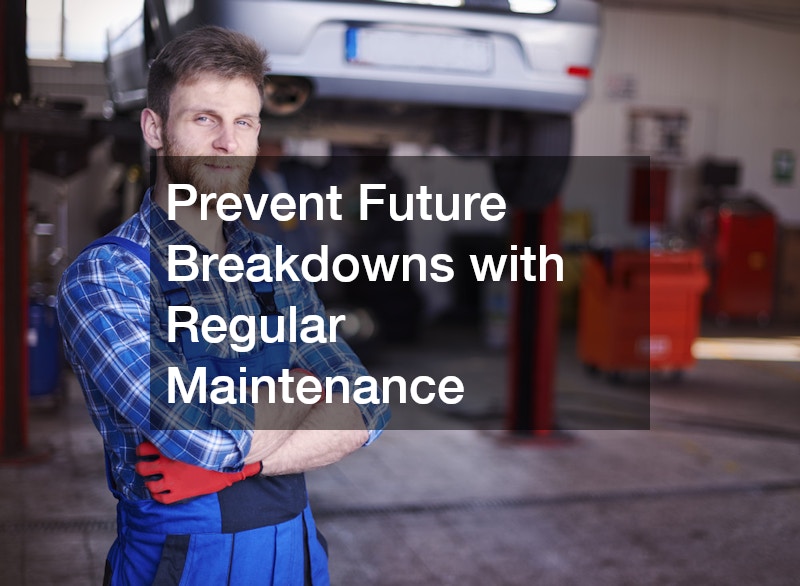
Preventing breakdowns is always better than dealing with them, and regular maintenance is the key to keeping your vehicle reliable. Routine auto repair tasks such as oil changes, filter replacements, and system checks help identify potential issues before they become serious problems.
One area that often requires attention is the transmission. Scheduling periodic transmission services ensures that this critical component continues to function properly. Neglecting maintenance can lead to wear and tear that increases the risk of failure over time.
Creating a maintenance schedule based on your vehicle’s needs and manufacturer recommendations is one of the best ways to stay proactive. Keeping track of service intervals and addressing minor issues promptly can extend the lifespan of your vehicle and improve overall performance.
By investing time in regular upkeep, you can reduce the likelihood of unexpected breakdowns and enjoy a smoother, more dependable driving experience.
Be Prepared for the Road Ahead
Dealing with a breakdown can be overwhelming, but having a clear plan makes all the difference. By focusing on safety, assessing the situation, and seeking the right help, you can handle these challenges with confidence. Preparation is key—understanding your vehicle, maintaining it regularly, and knowing who to call in an emergency can turn a stressful event into a manageable one.
Taking proactive steps today helps ensure you’re ready for whatever the road throws your way. With the right mindset and preparation, you can minimize disruptions and get back on the road quickly and safely.