Owning a car or truck is a blend of convenience, freedom, and responsibility. While driving daily may seem routine, neglecting proper vehicle care can lead to costly repairs, unexpected breakdowns, or dangerous situations on the road. Many drivers only realize the importance of preventive maintenance when problems arise, often costing both time and money. Maintaining your vehicle proactively, however, allows for safer driving, better performance, and long-term reliability.
This guide is designed to provide ten actionable car care hacks that drivers can implement immediately. These tips cover everything from smart vehicle purchasing decisions and insurance considerations to tire maintenance, body care, truck upkeep, and emergency preparedness. Each hack is focused on practical steps that drivers can follow without needing extensive mechanical expertise. Implementing these strategies consistently not only protects your investment but also improves overall driving experience. Whether you’re a commuter, a long-haul truck driver, or a weekend adventurer, these hacks are relevant for anyone looking to keep their vehicle on the road longer, reduce costs, and enhance safety. Taking small, proactive steps now prevents larger problems later, making every journey safer and more enjoyable.
1. Buy Smart and Inspect Thoroughly
Purchasing a car or truck is one of the most important decisions a driver can make, and the long-term reliability of your vehicle begins with a careful purchase. Whether buying new or used, the first step is thorough research. Study the vehicle’s reliability ratings, common mechanical issues, and owner reviews. For used vehicles, evaluating past maintenance and service records is crucial, as a poorly maintained car often leads to repeated repairs. Inspecting the vehicle in person provides insights that specifications alone cannot, from checking the engine bay for leaks or worn parts to assessing the brakes, suspension, and steering for any inconsistencies.
Test driving the vehicle is essential. Listen for unusual noises, pay attention to braking response, steering alignment, and acceleration performance. These observations often reveal hidden issues that could become costly down the line. Negotiating wisely after an informed inspection ensures a fair price without overpaying for a vehicle that may require expensive repairs soon. Working with reputable used car dealers often provides additional protection, as many dealers perform thorough inspections, repairs, and certifications before selling. Experienced dealers also have a reputation to maintain, reducing the likelihood of hidden problems. By starting with a reliable vehicle, you lay the foundation for years of safe, efficient driving, and minimize the chance of encountering frequent mechanical issues early in the vehicle’s life.
2. Optimize Your Insurance and Coverage

Understanding and optimizing your insurance coverage is an often-overlooked aspect of vehicle care. Adequate coverage ensures you are protected financially in the event of accidents, theft, or other unforeseen incidents. Many drivers underestimate the importance of reviewing their insurance regularly, leading to coverage gaps or unnecessary expenses. Reviewing policies annually allows you to adjust coverage according to changes in driving habits, vehicle value, and regional risks. Understanding deductibles is equally important; selecting a balance between affordable premiums and manageable out-of-pocket costs ensures that you’re not overpaying while remaining protected.
A key part of optimizing insurance is maintaining organized documentation. Keeping copies of policies, claim instructions, and emergency contact information simplifies the process if you ever need to file a claim. Consulting an experienced insurance broker can provide valuable guidance, especially when navigating complex coverage options or bundling multiple policies for savings. Brokers can identify opportunities for discounts, recommend tailored coverage, and ensure that your insurance plan aligns with both your vehicle and your driving habits. Optimizing insurance coverage is a proactive measure that protects you financially, allowing you to focus on maintaining your car and driving with confidence. By taking the time to review and adjust policies regularly, you reduce stress and avoid surprises during accidents or emergencies.
3. Maximize Tire Safety and Longevity
Tires are the most critical component connecting your vehicle to the road. Despite their importance, they are often neglected until a blowout or uneven wear occurs. Proper tire maintenance directly affects safety, fuel efficiency, and vehicle performance. Keeping tires inflated to the recommended pressure ensures even wear and improves handling, while under-inflated tires can increase fuel consumption and lead to overheating or blowouts. Over-inflation, conversely, reduces traction and accelerates tread wear. Regularly inspecting tires for cracks, bulges, and worn tread is essential, as these signs indicate potential failure.
Rotating tires periodically ensures even wear, prolonging the life of your investment. Misalignment or improper balance can cause uneven wear and affect steering, handling, and fuel economy. Visiting a professional tire shop ensures that these inspections, rotations, and alignments are performed accurately. Additionally, a trusted auto repair service can address suspension or mechanical issues that indirectly affect tire health. Proper tire maintenance is not just about avoiding immediate hazards; it contributes to long-term safety and performance, reduces the likelihood of roadside emergencies, and saves money on premature replacements. Drivers who prioritize tire care enjoy smoother rides, better control, and enhanced reliability, making this one of the most essential car care hacks for everyday driving.
4. Schedule Routine Mechanical Inspections
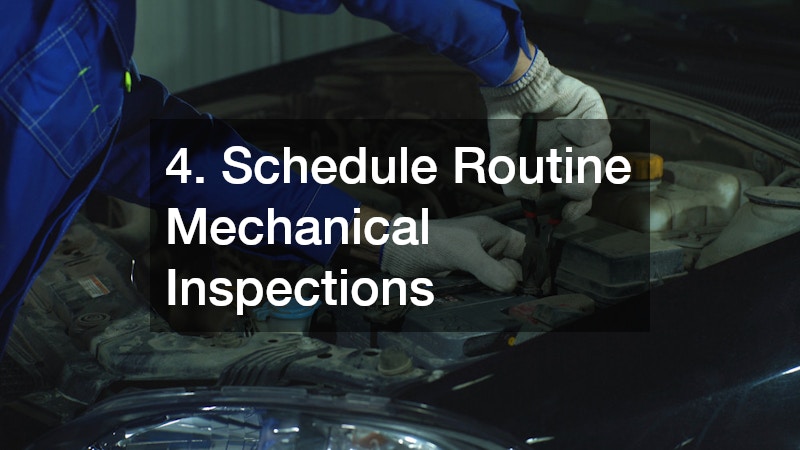
Regular mechanical inspections are the backbone of preventive car care. Many vehicle owners underestimate the importance of routine checks, only addressing issues when they become severe. Consistent inspections of the engine, brakes, battery, belts, hoses, and fluid levels prevent minor problems from escalating into major repairs. Engine oil, coolant, transmission fluid, and brake fluid must be checked and replaced at recommended intervals to maintain optimal performance. Brakes, including pads and rotors, need attention before they wear to unsafe levels, as failing brakes compromise safety and increase repair costs.
Keeping a detailed maintenance log allows drivers to track services, anticipate replacements, and plan for preventive repairs. Working with a reputable auto repair service ensures inspections are performed by trained technicians who can detect subtle signs of wear that might be missed otherwise. This proactive approach allows drivers to address potential issues before they lead to costly breakdowns. By adhering to routine mechanical inspections, vehicles remain safer, more efficient, and reliable on the road, extending their usable lifespan while reducing unexpected repair expenses. Consistency in preventive maintenance is key to long-term vehicle performance and peace of mind.
5. Protect Your Vehicle’s Exterior
A well-maintained exterior is more than just an aesthetic concern—it protects your car from rust, corrosion, and structural damage. Environmental factors like sun exposure, road salt, debris, and moisture can cause paint deterioration, scratches, and rust. Regular washing removes harmful substances, while periodic waxing adds a protective layer to preserve paint integrity. Addressing scratches, dents, and chips early prevents rust from forming and spreading, which could weaken the body over time. Parking in shaded areas or using protective covers shields vehicles from UV damage and weather-related wear.
Professional auto body repair services provide essential restoration when damage occurs, such as dent removal, paint correction, or rust treatment. Timely repairs ensure small issues do not escalate into costly structural problems. Maintaining the exterior also helps retain the vehicle’s resale value, ensuring it remains visually appealing and functional. Consistent exterior care not only improves safety by preventing deterioration of panels and structural components but also protects long-term investment. Drivers who prioritize exterior maintenance enjoy a vehicle that is both attractive and resilient, prepared to handle daily use and harsh environmental conditions.
6. Handle Accidents and Collisions Efficiently

Accidents can occur unexpectedly, making it essential to know how to respond properly. Immediate safety is the first priority, followed by moving the vehicle to a safe location if possible. Activating hazard lights, checking for injuries, and assessing the scene ensures safety for all parties involved. Proper documentation is vital; photographing the scene, recording details, and exchanging contact information reduces complications with insurance claims. Prompt reporting to authorities ensures compliance with legal requirements and streamlines the claims process.
Professional car collision centers are equipped to repair structural damage, cosmetic issues, and paint restoration after accidents. Timely repairs prevent secondary problems, such as rust or misalignment, and restore the vehicle to safe operating condition. Addressing collision damage promptly ensures your car maintains structural integrity, performance, and resale value. Knowing the steps to take after an accident reduces stress and helps drivers resolve incidents efficiently, maintaining safety and protecting long-term vehicle health.
7. Maintain Your Truck’s Frame and Body
Trucks face unique challenges compared to passenger cars due to heavy loads, rough terrain, and exposure to elements. Regular inspections of the frame, welds, and suspension mounts help identify early signs of cracks, rust, or structural weakness. Ensuring bolts and fittings remain tight prevents strain on critical components that could compromise safety or vehicle performance. Applying rustproof coatings or underbody treatments adds another layer of protection against corrosion, prolonging the life of essential components.
Professional truck body repair specialists provide services such as frame alignment, welding, and structural reinforcement. This ensures trucks maintain integrity under heavy use and continue performing reliably. Consistent attention to the frame and body prevents expensive repairs, improves safety, and protects your investment. For truck owners who regularly carry heavy loads or operate in challenging environments, maintaining structural integrity is a critical component of ongoing vehicle care.
8. Protect Cargo and the Truck Bed

The truck bed is subjected to repeated stress from transporting heavy and abrasive loads. Using protective liners prevents scratches, dents, and long-term wear, while securing cargo properly ensures items do not shift and damage the bed or vehicle structure. Covering the truck bed with a durable truck bed cover protects against weather, debris, and theft, extending its life. Regular cleaning removes dirt, debris, and moisture that can cause corrosion over time.
By taking steps to maintain the truck bed, drivers enhance both safety and durability. Proper bed care preserves the vehicle’s appearance, supports safe cargo handling, and protects resale value. A well-maintained truck bed combined with careful loading practices reduces accidents, prevents unnecessary wear, and ensures the truck remains functional for years. Prioritizing truck bed care is a simple yet effective way to maintain long-term reliability.
9. Prepare for Roadside Emergencies
Even well-maintained vehicles can experience unexpected breakdowns or issues on the road. Being prepared for these situations ensures safety and minimizes inconvenience. Carrying essential tools, such as jumper cables, hand tools, and a flashlight, allows minor repairs to be handled on the spot. Emergency supplies like water, blankets, and a first-aid kit improve safety while waiting for assistance. Having contact information for trusted roadside truck service providers ensures that professional help is available quickly when needed. In cases where the vehicle cannot be repaired on-site, a tow truck provides safe transport to a repair facility.
Prepared drivers are better equipped to handle unforeseen incidents calmly, reducing stress and preventing minor problems from escalating. Roadside preparedness is not only a safety measure but also a way to maintain vehicle health by avoiding improper temporary fixes. Drivers who proactively plan for emergencies enjoy greater peace of mind and can keep their vehicles in optimal condition despite unexpected events.
10. Know When to Seek Professional Help
Recognizing when a vehicle issue requires professional attention is critical to long-term reliability. Persistent warning lights, unusual noises, vibrations, or fluid leaks signal problems that may require expert intervention. Struggling to start the engine or experiencing poor performance despite routine maintenance also indicates the need for professional evaluation. Engaging reputable auto repair services or car collision centers ensures complex issues are addressed correctly, from engine and transmission repairs to structural and cosmetic work.
Seeking help early prevents minor problems from developing into expensive repairs. Professionals can diagnose, repair, and restore vehicles efficiently, maintaining safety, performance, and value. Knowing when to delegate tasks protects both drivers and their vehicles, ensuring long-term reliability and peace of mind. Regular consultation with trusted service providers is a key component of responsible vehicle ownership.
Maintaining a car or truck requires consistent effort, proactive decisions, and preparedness for unexpected events. Following these ten car care hacks allows drivers to extend the life of their vehicles, enhance safety, and reduce repair costs over time. From careful purchasing decisions and insurance optimization to tire maintenance, mechanical inspections, body care, and emergency readiness, each tip contributes to reliable and stress-free driving.
Proactive maintenance not only improves the daily driving experience but also protects long-term investment and resale value. Implementing these strategies consistently ensures vehicles remain dependable, safe, and ready for every journey. Drivers who embrace these practices enjoy greater confidence, fewer breakdowns, and lower long-term costs. Small steps taken today prevent major headaches tomorrow, making responsible car care an essential part of vehicle ownership.