Highlights
- Wheel reconditioning can repair many types of cosmetic and minor structural wheel damage.
- Restoring damaged wheels often improves appearance, balance, and overall driving performance.
- Common issues such as curb rash, corrosion, scratches, and minor bends can frequently be corrected.
- Professional inspections determine whether a wheel is safe to recondition or should be replaced.
- Timely wheel reconditioning may help extend tire life and support proper vehicle handling.
- Regular wheel care and maintenance can reduce future damage and preserve long-term vehicle value.
What Is Wheel Reconditioning and Why Does It Matter?
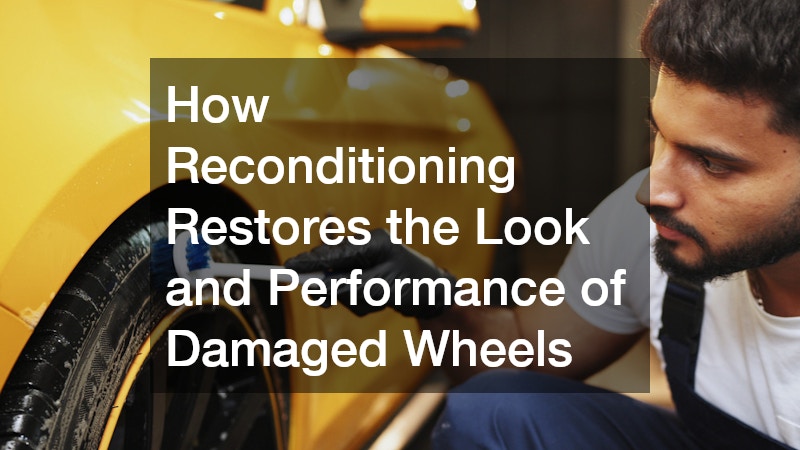
Wheel reconditioning is the process of restoring damaged wheels to improve both their appearance and, when appropriate, their performance. Rather than replacing an entire wheel because of cosmetic damage or minor imperfections, trained technicians evaluate its condition and perform repairs using specialized equipment and refinishing techniques.
This process may address scratches, curb rash, corrosion, discoloration, and certain types of bends that do not compromise structural integrity. Reconditioning is an important maintenance service because damaged wheels can affect tire wear, ride quality, and the overall appearance of a vehicle. While not every damaged wheel can or should be repaired, professional inspections help determine whether restoration is a safe and practical option. Addressing damage early can prevent minor issues from worsening and may help drivers avoid more expensive repairs in the future.
What Types of Wheel Damage Can Often Be Reconditioned?
Many forms of everyday wheel damage occur during normal driving and parking, especially on roads with potholes, curbs, debris, or changing weather conditions. Professional wheel reconditioning can often restore wheels affected by cosmetic damage and certain repairable imperfections without requiring complete replacement. Common examples include:
- Curb rash caused by contact with curbs while parking.
- Surface scratches, scuffs, and paint damage.
- Corrosion from road salt, moisture, and oxidation.
- Peeling or faded clear coat finishes.
- Minor bends that can be safely corrected after inspection.
- Brake dust staining or discoloration that cannot be removed through cleaning alone.
Every wheel should be carefully inspected before repairs begin. Severe cracks, extensive structural damage, or significant deformation may make replacement the safer solution to maintain vehicle safety and performance.
How Does Wheel Reconditioning Improve Vehicle Performance?
Wheel reconditioning does more than improve a vehicle’s appearance—it can also contribute to smoother driving and more consistent performance when repairable damage has affected wheel balance or alignment. Minor bends or imperfections may create vibrations, uneven tire wear, or handling issues that become more noticeable at higher speeds. During the reconditioning process, technicians inspect the wheel for runout, verify that it meets manufacturer specifications, and restore damaged surfaces before refinishing them. Correcting these issues can help maintain proper contact between the tire and the road, supporting more predictable steering and braking performance. While reconditioning cannot fix every mechanical problem, restoring repairable wheels helps ensure they function as intended. Combined with proper wheel balancing and alignment, professional repairs can contribute to a more comfortable and controlled driving experience.
What Happens During the Wheel Reconditioning Process?
Professional wheel reconditioning follows a structured process designed to restore both appearance and functionality while maintaining safety standards. Although exact procedures vary depending on wheel material and damage severity, the process generally includes several important steps:
- Inspecting the wheel for cracks, structural damage, and repair eligibility.
- Removing the tire when necessary for a complete evaluation.
- Repairing approved cosmetic damage or correcting minor bends using specialized equipment.
- Sanding and preparing the wheel surface for refinishing.
- Applying primer, color-matched paint, and protective clear coat finishes.
- Curing, inspecting, balancing, and reinstalling the wheel before returning it to service.
Quality control inspections ensure the finished wheel meets both cosmetic expectations and performance requirements. Proper refinishing also helps protect the wheel from future corrosion and environmental exposure.
When Should Damaged Wheels Be Professionally Evaluated?
Drivers should schedule a professional inspection whenever they notice visible wheel damage or changes in vehicle handling after striking a pothole, curb, or road hazard. Even minor cosmetic damage can hide more significant issues that are not immediately visible to the naked eye. Common warning signs include steering wheel vibration, uneven tire wear, air pressure loss without an obvious puncture, unusual noises while driving, or visible bends along the wheel rim. Ignoring these symptoms may place additional stress on suspension components or reduce tire performance over time. Routine inspections are especially valuable after severe impacts because technicians can determine whether reconditioning is appropriate or if replacement is necessary. Early evaluation helps protect both vehicle safety and long-term maintenance costs by identifying problems before they become more extensive.
How Can Drivers Help Prevent Future Wheel Damage?
Although some road hazards are unavoidable, drivers can reduce the likelihood of wheel damage through careful driving habits and routine vehicle maintenance. Slowing down around potholes, avoiding curb contact during parking, maintaining proper tire pressure, and rotating tires according to manufacturer recommendations all help reduce unnecessary stress on wheels. Regular vehicle inspections also provide opportunities to identify small cosmetic issues before corrosion or additional wear develops. Cleaning wheels frequently removes brake dust, road salt, and contaminants that can gradually damage protective finishes. Drivers should also pay attention to vibrations or steering changes following impacts, even if visible damage appears minor. Combining preventative maintenance with prompt professional inspections helps preserve both the appearance and performance of wheels while extending the life of tires and suspension components.
Why Is Professional Wheel Reconditioning a Smart Long-Term Investment?
Professional wheel reconditioning offers an effective way to restore the appearance and performance of repairable wheels while supporting overall vehicle safety. By addressing cosmetic damage, correcting eligible imperfections, and applying durable protective finishes, reconditioning can improve ride quality, reduce unnecessary tire wear, and enhance a vehicle’s appearance. Prompt inspections following impacts also help identify structural damage that may require replacement instead of repair, ensuring drivers make informed maintenance decisions. As part of a comprehensive vehicle maintenance strategy, wheel reconditioning can help preserve resale value, extend component life, and reduce the likelihood of more expensive repairs later. When performed by qualified technicians using appropriate repair methods, wheel reconditioning remains a practical solution for many common forms of wheel damage while helping vehicles continue to perform safely and reliably.
Sources
- National Highway Traffic Safety Administration (NHTSA) – Tire Safety: https://www.nhtsa.gov/equipment/tires
- Tire Industry Association (TIA) – Tire Safety and Maintenance Resources: https://www.tireindustry.org
- AAA Exchange – Tire Care and Maintenance: https://exchange.aaa.