A vehicle is one of the most important investments many people make, and keeping it in excellent condition requires consistent care and attention. While modern vehicles are designed to be reliable and durable, neglecting routine maintenance can lead to costly repairs, reduced performance, and even safety concerns. Drivers who understand the fundamentals of proper vehicle maintenance can significantly extend the lifespan of their car while ensuring a smooth and dependable driving experience.
Keeping a vehicle running like new involves more than simply reacting when something goes wrong. Preventive care, regular inspections, and timely repairs all play a role in preserving the health of your car. Small issues—such as minor vibrations, unusual noises, or reduced fuel efficiency—often serve as early warning signs that something needs attention. Addressing these signals quickly can prevent more serious mechanical problems from developing.
Another important aspect of vehicle care is understanding the different systems that make up your car. From the engine and transmission to suspension components and electrical systems, each part must function properly for the vehicle to operate safely and efficiently. Drivers who stay informed about these systems can recognize potential problems earlier and seek professional help when needed.
In addition to regular maintenance, driving habits also play a major role in the longevity of a vehicle. Rapid acceleration, sudden braking, and consistently driving on rough roads can put unnecessary stress on mechanical components. By adopting smoother driving habits and paying attention to how your vehicle responds during everyday use, you can reduce wear on critical systems and maintain better performance over time.
Environmental factors also influence vehicle health. Extreme heat, cold temperatures, road salt, and humidity can accelerate wear on various parts of a car. Taking simple steps such as parking in covered areas, washing the vehicle regularly, and inspecting components seasonally can help reduce environmental damage and keep the vehicle looking and performing its best.
This guide explores essential practices that help maintain vehicle performance, protect its appearance, and ensure reliability over time. By following these recommendations and prioritizing routine care, you can keep your car performing at its best for many years to come.
Stay Consistent With Professional Maintenance
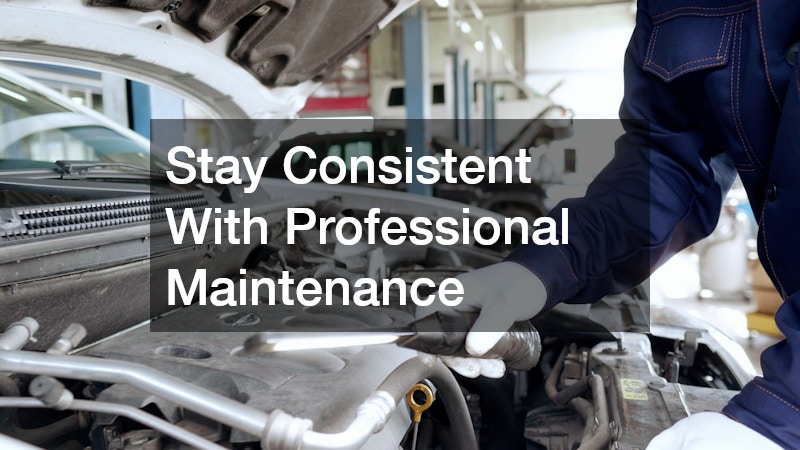
Regular professional inspections help identify small mechanical issues before they become serious problems. A dependable auto repair service can examine your vehicle’s critical systems and recommend maintenance that protects both performance and safety.
Follow Manufacturer Maintenance Guidelines
Vehicle manufacturers design detailed maintenance schedules based on extensive testing. Following these guidelines helps ensure components are inspected and replaced at the proper intervals.
Address Minor Issues Early
Small problems, such as unusual vibrations or noises, may signal underlying mechanical concerns. Fixing these issues promptly prevents them from escalating into larger and more expensive repairs.
Keep Accurate Service Records
Maintaining documentation of maintenance appointments allows drivers and technicians to track service history and anticipate future needs.
Build a Relationship With a Trusted Mechanic
Working consistently with experienced professionals helps ensure your vehicle receives accurate diagnostics and reliable repairs.
Protect Your Engine With Proper Lubrication
The engine contains many moving parts that must operate smoothly under intense heat and pressure. Routine lubrication through a scheduled oil change is one of the most effective ways to protect engine components from premature wear.
Check Oil Levels Frequently
Low oil levels can lead to friction between metal components, which increases the risk of overheating and engine damage.
Replace Oil Filters
Oil filters capture contaminants that accumulate during engine operation. Replacing them regularly helps maintain clean circulation throughout the engine.
Pay Attention to Warning Lights
Dashboard indicators often signal low oil pressure or other lubrication concerns. Ignoring these warnings may result in severe mechanical problems.
Avoid Extended Oil Intervals
Delaying oil changes allows contaminants to accumulate and reduce lubrication effectiveness, which can shorten engine life.
Monitor the Transmission System
A vehicle’s transmission plays a crucial role in transferring engine power to the wheels. When shifting becomes rough or delayed, it may indicate the need for professional transmission repair.
The transmission is one of the most complex systems in any vehicle, consisting of numerous gears, seals, and electronic components that must work together precisely. Because of this complexity, transmission issues often begin subtly before becoming more noticeable.
Drivers may initially experience slight hesitation when accelerating or mild difficulty when shifting gears. Addressing these symptoms early with a professional inspection can help prevent extensive internal damage and significantly reduce the cost of repairs.
Watch for Slipping Gears
If the vehicle unexpectedly changes gears or struggles to stay in gear, internal transmission components may require inspection.
Maintain Transmission Fluid Levels
Transmission fluid helps cool and lubricate internal components. Low or contaminated fluid can cause overheating and excessive wear.
Notice Unusual Noises
Grinding or whining sounds while shifting often signal mechanical problems that should be evaluated by a professional.
Schedule Preventive Inspections
Routine transmission inspections help detect worn parts before they fail completely.
Preserve Your Vehicle’s Exterior

Maintaining your vehicle’s exterior protects it from corrosion and preserves its overall appearance. Visiting a qualified auto body shop ensures dents, scratches, and structural damage are repaired properly.
Beyond appearance, the exterior structure of a vehicle plays an important role in safety. Panels, bumpers, and structural reinforcements are designed to absorb and distribute impact forces during collisions. Even minor damage can weaken these protective elements if not repaired properly.
Routine inspections of the vehicle’s exterior help ensure that these components remain strong, secure, and capable of protecting passengers in the event of an accident.
Repair Scratches and Chips Promptly
Small paint imperfections expose metal surfaces to moisture and air, which can lead to rust.
Protect Paint With Wax or Sealant
Applying protective coatings helps shield paint from sun damage, road debris, and environmental contaminants.
Address Structural Damage
Even minor collisions can affect alignment and structural integrity. Professional inspections ensure the vehicle remains safe to drive.
Prevent Rust Formation
Rust spreads quickly once it begins, making early detection and treatment essential.
Maintain Clear Visibility
Clear visibility is essential for safe driving. Professional auto glass services help repair or replace damaged windshields and windows before cracks compromise safety.
Visibility is especially critical during poor weather conditions such as rain, fog, or snow. Even small imperfections in glass surfaces can scatter light and reduce the driver’s ability to see clearly. Maintaining clean and undamaged glass ensures optimal visibility at all times and contributes to safer driving conditions for both the driver and other road users.
Repair Small Chips Immediately
Minor chips can spread into larger cracks due to temperature changes or road vibrations.
Replace Severely Damaged Glass
Extensive cracks weaken structural integrity and reduce visibility, requiring full replacement.
Inspect Window Seals
Proper seals prevent water leaks and protect interior components from moisture damage.
Clean Glass Regularly
Clean windows and mirrors improve visibility, particularly in low-light conditions.
Keep Your Electrical System Reliable
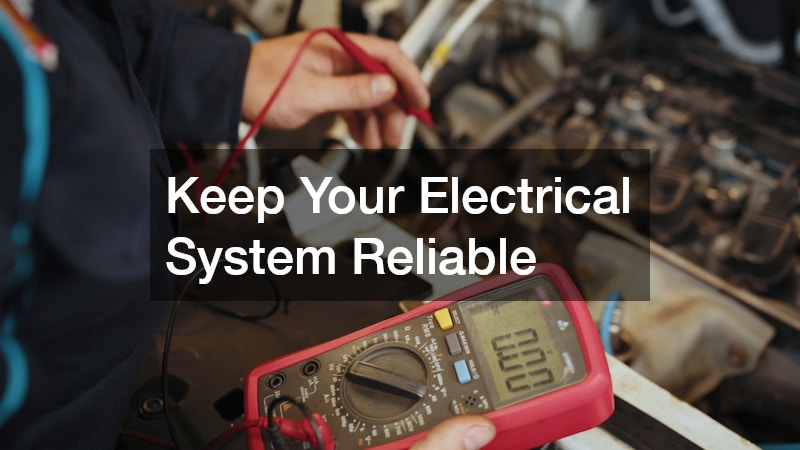
Modern vehicles rely heavily on electrical systems to power essential functions. Over time, batteries lose their ability to hold a charge, making car battery replacement necessary to maintain reliable starting power.
A strong and reliable electrical system ensures that these components function correctly when needed.
Routine inspections of electrical connections, wiring, and charging systems help maintain reliable operation and prevent unexpected electrical failures that could leave drivers stranded.
Test Battery Performance Periodically
Routine battery testing helps identify weakening performance before a complete failure occurs.
Clean Corroded Terminals
Corrosion can interrupt electrical connections, making it harder for the battery to deliver power.
Monitor Charging System Health
Alternators recharge the battery while the engine runs. Ensuring proper operation prevents electrical system issues.
Replace Aging Batteries
Most batteries last several years, but replacing them before failure prevents unexpected breakdowns.
Maintain Smooth Handling and Ride Comfort
A vehicle’s suspension system absorbs road impacts and keeps tires in proper contact with the road. When worn components affect handling, professional auto suspension repair restores comfort and stability.
Suspension systems do more than provide comfort—they also contribute directly to vehicle control and braking performance. When suspension components become worn, the vehicle may not respond as quickly to steering inputs, which can reduce driver confidence and overall safety.
Maintaining these components ensures that the vehicle remains stable during turns, braking, and sudden maneuvers.
Listen for Clunking Sounds
Unusual noises while driving over bumps often indicate worn suspension components.
Inspect Shock Absorbers
Worn shocks reduce vehicle stability and can increase braking distances.
Check Alignment Regularly
Misaligned wheels can cause uneven tire wear and steering difficulties.
Address Suspension Wear Promptly
Replacing worn components improves ride quality and prevents additional strain on other systems.
Ensure Comfortable Interior Climate
Driving comfort depends heavily on a properly functioning climate control system. A well-maintained auto ac system keeps the cabin cool and maintains airflow during warm weather.
A well-maintained climate control system also helps regulate humidity levels inside the vehicle, which prevents windows from fogging during certain weather conditions.
Consistent airflow and temperature control make driving more comfortable and reduce fatigue during long trips.
Regular inspections help ensure that all components continue functioning efficiently throughout the year.
Inspect Refrigerant Levels
Low refrigerant can reduce cooling efficiency and indicate potential leaks.
Replace Cabin Air Filters
Clean filters improve airflow and help maintain fresh interior air quality.
Check Cooling Components
Compressors, fans, and hoses must work together to maintain consistent cooling.
Schedule Seasonal Maintenance
Inspecting the system before warmer months ensures reliable performance during high temperatures.
Replace Worn Components With Quality Parts
Over time, certain vehicle components naturally wear out and require replacement. Professional auto part services ensure vehicles receive reliable replacement components that meet manufacturer specifications.
Using reliable replacement components is essential because each part must work seamlessly with other systems in the vehicle. When components fail prematurely due to poor quality, they can create additional strain on nearby parts.
Selecting durable, high-quality replacements ensures better performance and helps maintain the vehicle’s reliability over the long term.
Choose Manufacturer-Approved Parts
Certified parts are designed for compatibility and durability.
Avoid Cheap Alternatives
Low-quality components may fail sooner and compromise overall performance.
Work With Experienced Technicians
Professionals can recommend parts that best match your vehicle’s needs.
Maintain Documentation
Tracking replaced components helps anticipate future maintenance requirements.
Specialized Care for Luxury Vehicles

Luxury vehicles often require specialized expertise and advanced tools for proper repairs. Drivers seeking lexus autobody repair benefit from technicians who understand the unique engineering and materials used in premium models and often include advanced materials, precision engineering, and specialized finishes that require careful handling during repairs.
Maintaining these vehicles with knowledgeable technicians helps ensure that repairs match factory specifications and maintain the vehicle’s refined performance characteristics.
Attention to detail during repairs helps preserve both appearance and long-term functionality.
Use Advanced Diagnostic Tools
Luxury vehicles rely on sophisticated electronics that require specialized diagnostic equipment.
Preserve Manufacturer Standards
Professional repairs ensure the vehicle maintains its original safety and performance specifications.
Protect Long-Term Value
Proper maintenance and repairs help preserve resale value and appearance.
Choose Experienced Specialists
Technicians with experience servicing luxury vehicles can provide more precise and reliable repairs.
Maintaining a vehicle in excellent condition requires consistent attention and a proactive approach to care. Drivers who stay aware of their vehicle’s performance and address concerns early often enjoy fewer mechanical problems and a smoother driving experience. Preventive maintenance plays a crucial role in extending the lifespan of a car and avoiding costly breakdowns.
Regular inspections, timely repairs, and professional expertise all contribute to keeping a vehicle operating efficiently. Even small maintenance tasks—such as monitoring fluid levels, checking tires, and paying attention to unusual sounds—can make a significant difference in long-term performance.
Another important aspect of vehicle care is building a habit of consistent maintenance. Scheduling routine service appointments, keeping accurate records, and following manufacturer recommendations all help ensure that every system continues to function properly. This disciplined approach allows drivers to identify potential issues before they develop into major repairs.
Another benefit of proactive vehicle care is peace of mind. Drivers who keep up with regular maintenance and address concerns promptly can feel more confident about the reliability of their vehicle during daily commutes or long road trips. Knowing that essential systems have been inspected and properly maintained reduces the likelihood of unexpected breakdowns.
Over time, these small efforts add up to significant benefits. Vehicles that receive consistent care tend to maintain better fuel efficiency, deliver smoother performance, and retain greater resale value. By making maintenance a regular habit, drivers can protect their investment and enjoy dependable transportation for many years.
Ultimately, taking care of a vehicle is an investment in reliability, safety, and peace of mind. By staying proactive and informed, drivers can enjoy dependable transportation for many years while preserving the performance and value of their car.