Your braking system is one of the hardest-working safety systems on your vehicle, yet it is also one of the easiest to overlook until something feels wrong. Most drivers do not think much about their brakes when the car stops smoothly, the pedal feels normal, and there are no strange sounds. A light squeal, a slight vibration, or a longer stopping distance can be the first sign that wear is building and service should not be delayed.
Learn The Warning Signs Before The Problem Gets Expensive
Brake issues rarely appear out of nowhere. In most cases, the system gives you clues before it reaches the point of severe wear. The key is to notice those clues early and take them seriously. Many drivers wait because the car still stops, but that can be a costly mistake. A vehicle may still seem drivable while the condition of the pads, rotors, or hydraulic parts is getting steadily worse.
Common symptoms include squealing, grinding, pulsing in the pedal, vibration in the steering wheel, a soft brake pedal, or the car pulling when you slow down. Each one can point to something different. Squealing often suggests worn pads or worn indicators making contact. Grinding may mean the pads are worn through and metal is contacting the rotor. A soft pedal can signal fluid or hydraulic issues.
Pay attention to:
- Squeaks or squeals during braking
- Grinding sounds
- Longer stopping distances
- Vibrations or pulsing
- Pedal softness
- Pulling left or right
- Dashboard warning lights
Also notice the pattern. Does the problem happen only during hard stops, after the car warms up, or first thing in the morning? Details like that can help a technician narrow down the cause much faster.
Understand Which Brake Components Wear Out First
Brakes work as a system, not as a single part. That is why good automotive maintenance includes at least a basic understanding of the pieces involved. Most drivers know that brake pads wear down, but fewer realize how that wear affects rotors, calipers, fluid, and hardware over time.
Brake pads are friction material. They are designed to wear out as they press against the rotors to slow the vehicle. Rotors can also wear, especially if the pads get too thin or if the system overheats repeatedly. Calipers apply pressure to the pads and must move properly for even braking. Brake fluid transfers force through the hydraulic system, and hardware such as clips and pins helps everything move smoothly.
This is why auto brake repairs are not always identical from one visit to the next.
Brake life is shaped by:
- Driving style
- Vehicle weight
- Traffic conditions
- Towing or hauling
- Hills and mountain driving
- Heat buildup
- Road salt and corrosion exposure
Once you understand that brake wear is system-based, repair recommendations make more sense. It also becomes easier to see why waiting too long can turn a simpler service into a more involved job.
Check The Brakes Regularly Instead Of Waiting For A Crisis
A lot of brake trouble becomes expensive because it is only addressed once the symptoms are obvious. By then, some of the less costly maintenance options may already be off the table. Regular inspections help you catch wear before it becomes urgent.
A trusted auto repair service can usually inspect the braking system during regular maintenance visits, especially tire rotations or seasonal service. That gives you a chance to monitor pad thickness, rotor condition, and fluid quality before there is grinding, shaking, or a low pedal.
A useful brake inspection should include:
- Pad thickness measurement
- Rotor surface condition
- Brake fluid check
- Caliper inspection
- Hose and line inspection
- Hardware wear or corrosion
- Signs of uneven wear
Scheduling inspection-based brake repair is often easier on your budget than waiting until parts fail. It also gives you time to compare estimates, ask questions, and plan the work without feeling forced into same-day decisions.
Ask the shop to explain what they found clearly. Measurements, pictures, or a plain-language summary can go a long way. A strong inspection process should make you feel informed, not rushed.
Know When Brake Sounds Mean Stop Waiting
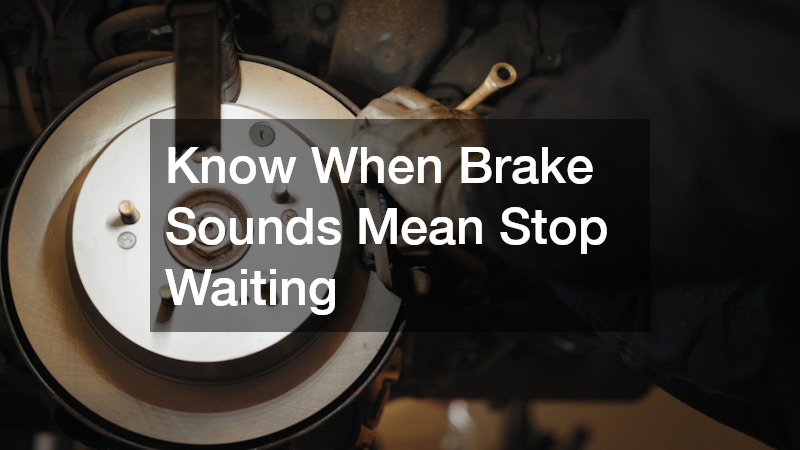
Some brake sounds are annoying but not immediately dangerous. Others need quick action. Knowing the difference can help you decide whether you should schedule service soon or stop driving until the problem is checked.
Light squealing can happen from moisture, rust film, or pad wear indicators. That still deserves attention, but it is not always an emergency. Grinding is much more serious. That sound often means the pad material is gone and metal backing is scraping against the rotor. At that point, both performance and repair cost can get worse fast.
You should seek local brake repair quickly if you notice grinding, sharp pulling, a pedal that suddenly feels weak, or severe vibration during braking. These symptoms can point to unsafe wear or damage that should not wait.
Delaying service often turns routine car repairs into bigger ones. What might have started as pad wear can become rotor replacement, caliper issues, or uneven braking that affects handling confidence.
Take immediate action if you experience:
- Loud grinding
- Heavy shaking while braking
- A sudden low pedal
- Loss of braking confidence
- Strong pulling
- Burning smells after repeated stops
If the car feels unpredictable or unsafe, it is smarter to stop driving it and have it checked rather than risk more damage or a dangerous stop.
Ask What Actually Needs To Be Replaced
One of the biggest sources of confusion for drivers is not knowing whether they need pads, rotors, fluid service, or something more extensive. That is why it helps to ask the shop to break the recommendation down clearly.
Sometimes auto brake replacements are straightforward. The pads are worn, the rotors are below spec or badly damaged, and replacement is the safest choice. Other times, the job falls under auto brake repairs because the main issue involves caliper movement, fluid condition, hardware wear, or uneven operation rather than a full replacement of every visible part.
Ask specific questions such as:
- Are the pads worn evenly?
- Are the rotors reusable, resurfaceable, or done?
- Is the caliper sticking?
- Is the brake fluid still in good shape?
- What is urgent now?
- What can be monitored until the next visit?
A good estimate should separate required work from recommended work. That helps you understand the safety priorities and avoid paying for things you do not fully understand. It also makes comparing shops easier because you can see whether they are recommending the same scope or very different ones.
The cheapest repair is not always the best value. A partial job that leaves worn supporting parts in place may bring you back sooner than expected.
Choose A Shop That Explains The Work Well

Brake service is partly mechanical and partly about trust. Whether you go to a full-service garage or a dedicated brake shop, you want clear communication. Good shops do not hide behind vague wording or pressure tactics. They explain the problem, show evidence when possible, and answer reasonable questions without making you feel difficult.
A dedicated brake shop may be a good fit if the vehicle has a persistent or unusual braking issue. A broader auto repair service may be perfectly fine for routine pad and rotor work, especially if you already trust them with other maintenance. What matters most is how clearly they communicate and how thoroughly they inspect the system.
Look for shops that:
- Explain findings in plain language
- Offer written estimates
- Show measurements or worn parts
- Discuss part quality and warranty
- Have reviews mentioning honesty and consistency
- Do not pressure you into rushed approval
A shop that communicates well is often easier to work with when questions come up later. That matters because brake work is not just about replacing parts. It is about feeling confident that the vehicle is safe when you leave.
Do Not Ignore Fluid, Calipers, And Hardware
Pads and rotors get most of the attention, but they are not the only parts that matter. Some repeat brake problems happen because the obvious wear items were replaced while the supporting parts were ignored.
That is why strong automotive maintenance includes attention to brake fluid, caliper movement, slide pins, shims, and hardware. Brake fluid can absorb moisture over time, reducing performance and contributing to internal corrosion. Calipers must move evenly or the pads may wear unevenly. Small hardware pieces help prevent noise and allow the system to operate smoothly.
Ignoring these items can turn a simple job into a repeat auto repair situation. For example, if a sticking caliper is left in place, even brand-new pads may wear out unevenly or cause pulling. If old hardware is reused when it is corroded or bent, the new brake job may not feel right.
Ask whether the service includes:
- Caliper inspection
- Slide pin cleaning and lubrication
- Hardware replacement if needed
- Fluid evaluation
- Cleaning contact points
- Final road test
A more complete service often costs more upfront, but it can improve brake feel, reduce noise, and help the new parts last longer.
Change Driving Habits That Wear Brakes Faster

Brake life is not only about part quality. It is also about how the vehicle is driven. Two drivers can own the same model and get very different brake life based on traffic patterns, habits, and load.
Hard braking, tailgating, steep hills, towing, and heavy stop-and-go use all create extra heat. Heat speeds up wear and increases the chances of rotor damage, vibration, and more frequent brake repair. In some cases, it can contribute to larger car repairs if components overheat or fail unevenly.
You can reduce wear by:
- Leaving more following distance
- Braking earlier and more smoothly
- Coasting toward stops when safe
- Avoiding repeated panic-style stops
- Slowing gradually on long descents
- Reducing unnecessary cargo weight
These changes will not eliminate wear, but they can stretch service intervals and make braking feel more consistent. They also help you notice when something truly changes, since you are not masking wear with constant aggressive use.
Compare Estimates Carefully, Not Just By Price
Brake estimates can look similar at first glance while covering very different work. One shop may quote a low number for pads only. Another may include pads, rotor service, hardware, fluid evaluation, and warranty. That is why it is risky to choose based on price alone.
This matters even more if the brake issue followed an impact, curb strike, or collision. In some cases, a braking complaint may overlap with suspension damage or wheel problems, and occasionally even auto body repair if the incident affected more than the brake system.
If you are comparing quotes for local brake repair, ask what each estimate includes:
- Pad and rotor details
- Hardware replacement
- Fluid service
- Caliper inspection
- Labor warranty
- Diagnostic charges
- Post-repair testing
A detailed estimate can save you from surprises later. A vague low quote may leave out items that are necessary for safe, complete work. Better to pay for clarity than get trapped by an incomplete number that grows once the job starts.
Build Better Habits So Future Brake Work Is Easier
The best way to reduce brake stress is to stay ahead of it. Once you have had brake service done, use that moment to build a better long-term routine. That makes the next visit easier to predict and less likely to turn into an emergency.
Timely auto brake replacements and routine automotive maintenance work best when paired with simple recordkeeping. Knowing when pads were last replaced, what thickness remained at your last inspection, and whether the rotors or fluid were serviced gives you a much stronger sense of what to expect next.
Helpful long-term habits include:
- Keeping brake service receipts
- Recording mileage at each repair
- Asking for pad measurements
- Pairing inspections with tire rotations
- Responding quickly to new sounds
- Mentioning changes in pedal feel right away
These habits do not take much effort, but they make future decisions much easier. Instead of reacting to a problem blindly, you can compare today’s symptoms against a useful service history and have a more informed conversation with the shop.
Brake problems are much easier to manage when you catch them early, understand the basics, and ask good questions. Small warning signs often show up before major failures, and paying attention to them can save money while protecting your safety.