Understanding the basics of auto repair can save you time, money, and frustration. This knowledge empowers car owners to perform essential maintenance tasks and recognize potential problems before they escalate. This article provides 10 essential tips that make car maintenance much easier for both beginners and those looking to refresh their skills.
Every vehicle owner should know how to conduct basic auto body repair and general maintenance. This not only prolongs the life of the car parts but also improves the vehicle’s performance and safety. By implementing these practical tips, you can gain confidence in handling minor repairs without having to rely heavily on car accident lawyers or professionals for every issue.
Whether you’re dealing with auto customization or a sudden need for collision repairs, being informed makes a significant difference. The following sections will present in-depth guidance on essential maintenance tasks. This knowledge serves as a foundation for further exploration into more advanced auto repair topics.
1. How Often Should You Check Your Oil?
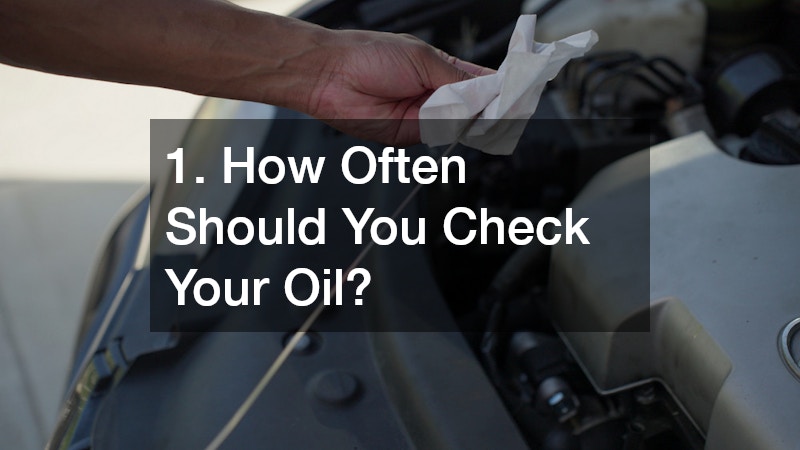
Monitoring your vehicle’s oil is a crucial aspect of its regular maintenance routine, one that can potentially save you from costly repairs down the road. The oil in your vehicle plays a vital role in keeping the engine properly lubricated, which reduces friction and wear among moving parts. Therefore, checking the oil level should be a habit every car owner adopts, ideally once a month. During these checks, ensure the oil level is within the recommended range indicated in your vehicle’s manual. Moreover, observe the oil’s appearance; it should not look overly dirty or thickened, as this signifies it no longer functions optimally. Neglecting this simple task might not seem significant initially, but it can lead to major engine damage over time, culminating in significant auto body repair costs.
The frequency of oil changes is influenced by various factors, including your driving habits and the distance you routinely cover. Generally, for most vehicles, it’s advisable to change the oil every 3,000 to 5,000 miles to maintain engine health. However, this is a general estimate; your vehicle’s user manual provides specific guidelines tailored to your particular make and model. Regular oil changes are integral in preventing wear and tear on critical engine components, thereby ensuring your vehicle’s engine runs smoothly and efficiently.
In addition to mileage, your driving conditions have a substantial impact on how often you should change your oil. For instance, if you frequently make short trips where the engine doesn’t reach its optimal operating temperature, or if you often find yourself in extreme conditions—such as very hot or cold weather, stop-and-go driving in heavy traffic, or towing heavy loads—it might be prudent to check and change your oil more frequently. These practices align with automotive crash data retrieval standards, which advocate for regular maintenance as a means to enhance safety and extend the lifespan of your vehicle. Understanding how these factors affect your oil will equip you to make informed decisions that benefit your vehicle’s overall performance and longevity.
2. What Are the Signs Your Battery Is Failing?
One of the crucial aspects of maintaining vehicle reliability is recognizing the early signs of a failing car battery. By being vigilant, drivers can avoid unexpected breakdowns that may occur at inconvenient times. A primary symptom to watch out for is a sluggish engine crank when attempting to start the car. If you notice that the starter motor appears to be struggling or operates with less vigor than usual, it could be indicative of diminishing battery health. This deceleration in engine crank usually means that the battery is unable to deliver the requisite power, a condition that often precedes battery failure.
In addition to difficulties with ignition, another red flag for battery issues is the dimming of the car’s headlights or the experience of other electrical anomalies. When a battery is no longer capable of holding a sufficient charge, it fails to sustain the necessary voltage that allows various car components to operate correctly. This lack of power might cause the headlights to appear duller, potentially compromising visibility and safety during nighttime driving. To mitigate these risks, it is beneficial to conduct regular inspections of the battery. This includes keeping an eye out for corrosion on the terminals, which can impede the flow of electrical current. Cleaning these corrosion deposits and ensuring firm terminal connections can significantly extend the longevity of the battery.
Being proactive is key to managing battery health effectively. One practical method to preemptively address battery issues is to regularly test its voltage levels. By using a multimeter, a simple yet effective tool, you can verify a battery’s charge state. Consistent monitoring using these tests provides valuable insights into when it might be necessary to consider a battery replacement, thereby preventing the inconvenience of sudden failures. Proactively replacing a battery based on these findings can help circumvent the potential need for emergency towing services, ensuring that you remain mobile and stress-free.
3. How Do You Change a Flat Tire?
The skill of changing a flat tire is invaluable, especially in emergencies. Begin by ensuring the car is on a stable and level surface, engaging the parking brake to prevent movement. Use the jack to elevate the vehicle, following your manual’s safe jacking points.
Remove the wheel cover and loosen the lug nuts using a wrench before fully raising the car. After the tire is off the ground, unscrew the lug nuts completely and remove the flat tire. Install the spare or new tire, ensuring it’s aligned with the wheel bolts.
Tighten the nuts partially in a star pattern to ensure even pressure before lowering the car. Once on the ground, apply full torque to secure the tire. Consider auto customization items like lug wrenches with additional grip for easier handling.
4. What Is the Recommended Tire Pressure?
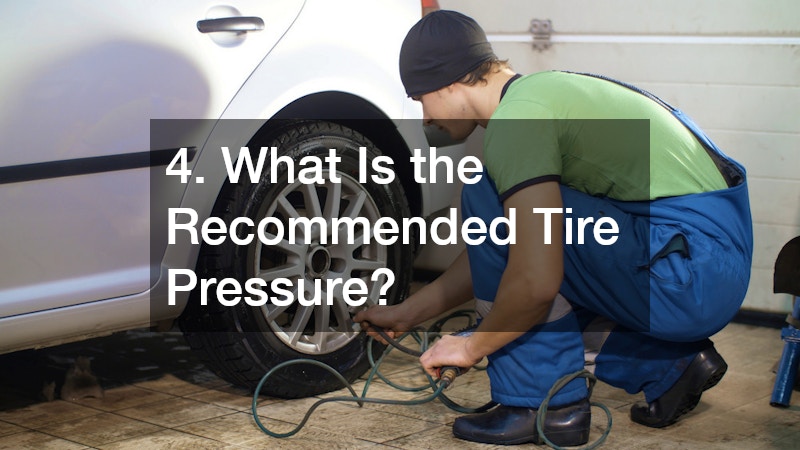
Maintaining correct tire pressure is essential for a vehicle’s efficiency and safety. Under-inflated tires can lead to auto body repair due to increased wear and potential blowouts. Checking tire pressure monthly or before long trips helps maintain optimal performance.
The recommended tire pressure varies by vehicle but is usually found on a sticker inside the driver’s door or in the manual. Automotive crash data retrieval systems can indicate which pressures are safest for your specific driving patterns.
Ensuring the pressure matches these recommendations aids fuel efficiency and consistent handling. It’s a simple task, but critical to reducing the risk of needing collision repairs from wear-induced accidents.
5. How Often Should Brake Pads Be Replaced?
The replacement of brake pads depends on various factors such as driving habits and the environment. Generally, brake pads should be inspected every 10,000 miles and replaced every 20,000 to 50,000 miles. Feel and listen for signs like squeaking noises or less responsive braking to assess their condition.
Regular checks prevent more comprehensive damage to brake rotors or drums, which are substantially more costly to fix. Remember that replacing worn-out brake parts not only enhances safety but also boosts vehicle performance.
The choice of brake pad material – ceramic, metallic, or organic – influences performance characteristics. Discuss options with a service provider specializing in auto customization to ensure the best fit for your vehicle’s use.
6. Can You Fix a Leaky Radiator?
A leaky radiator can result in engine overheating if not addressed promptly. Begin by identifying the source of the leak, which could be the radiator, hoses, or the reservoir. Checking these parts regularly can halt damage before it necessitates more costly auto glass repair services.
Temporary fixes include using a commercial sealant, which can be added to a cool engine’s radiator. This fix is not permanent, so it’s crucial to address the root cause with professional help eventually. Consistent monitoring helps prevent recurring issues and extensive damage.
Engaging experts for automotive services can extend the lifespan of your cooling system. Ensuring you have a regular maintenance schedule reduces the likelihood of needing emergency repairs when dealing with complicated issues.
7. How to Maintain Your AC System?
Maintaining your car’s AC system improves air quality and comfort during travel. Regularly checking for leaks within the system ensures it operates efficiently. The inspection involves examining seals and connections for signs of deterioration.
Changing the cabin air filter every 12,000 to 15,000 miles enhances airflow and prevents strain on the AC system. Some auto parts retailers offer kits for AC system testing, which helps identify areas needing attention.
If you experience reduced cooling, it could indicate a refrigerant leak or an issue with the compressor. Handling these issues promptly avoids needing extensive repairs from a car wrap professional or auto body repair shop.
8. How Do You Know When to Replace the Air Filter?
Air filter replacement is crucial for maintaining efficient engine performance and maximizing fuel economy. Filters generally need changing every 12,000 to 15,000 miles, but this can vary based on driving conditions. Inspect the air filter visually; a clogged or dirty filter should be replaced immediately.
Clean air filters ensure that debris and dirt don’t compromise performance or damage sensitive engine components. It prevents the necessity of future collision repairs that result from an inefficient balance of air and fuel mixture affected by inadequate filtration.
Regularly replacing the air filter reduces strain on the vehicle’s systems and acts as a preventive measure against the more significant expenditures associated with auto glass repair incidents. This simple maintenance can help you avoid unexpected troubles with a car accident lawyer.
9. What Are the Basics of Engine Coolant Maintenance?
Regular engine coolant maintenance is integral to preventing overheating and prolonging engine lifespan. Checking levels every few weeks and before long trips ensures adequate cooling capacity. Low coolant levels increase the risk of overheating, which could necessitate costly auto body repair.
Flush and replace the coolant as per the car manual’s specifications, often every 30,000 miles. The right mixture of antifreeze and water is crucial for effective cooling and minimizing corrosion within the system. Consider professional servicing to ensure proper handling and disposal of old coolant.
Staying proactive with coolant checks can prevent damage that might otherwise require a specific auto glass repair, resulting from impact damage tied to overheating. This strategic attention to detail reduces the likelihood of needing emergency services from a tow truck company.
10. How to Maintain Your Car’s Exterior and Interior?
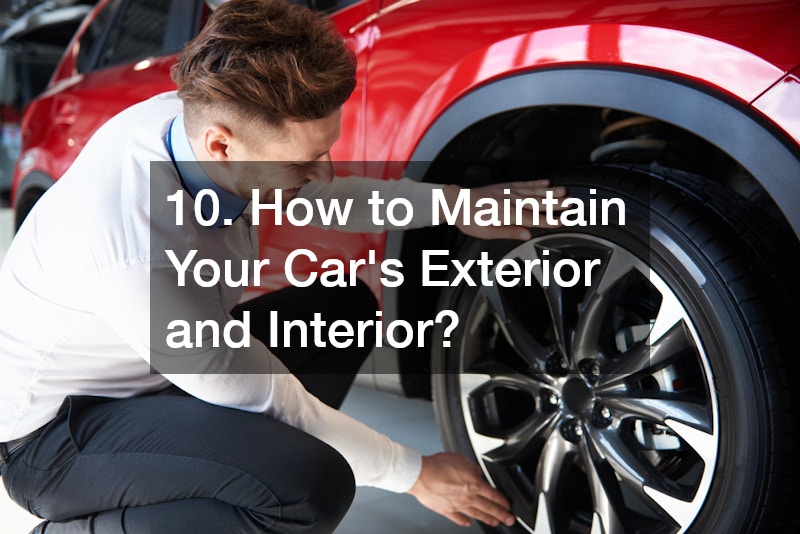
Regular washes and waxes protect the exterior from environmental factors and preserve the car’s paint job. Investing in quality cleaning products maintains the finish and can add years to the vehicle’s pristine look. For enhanced protection, consider a car wrap to shield against debris and minimize potential repair needs.
The interior also requires consistent care to maintain aesthetic appeal and comfort. Vacuuming and using protectants on surfaces prevents wear and tear. Maintaining a clean interior not only improves the driving experience but also adds to the vehicle’s value.
Being vigilant about both exterior and interior upkeep can make a significant difference in prolonging your vehicle’s lifespan. It assures you of efficient services without the eventual need for professional auto body repair, especially in cases related to collision repairs.
Incorporating These Tips for Auto Maintenance
Regular maintenance not only extends the life of your car but also enhances its performance and safety. By mastering these auto repair tips, you’ll ensure your vehicle remains in excellent condition, minimizing the likelihood of unexpected breakdowns and costly repairs. Regular practice and familiarization with these tasks will save you time and money in the long run.
Staying informed empowers you to make educated decisions about when and how to repair or upgrade your vehicle. Whether it’s managing engine oil, maintaining tire pressure, or engaging in DIY projects like installing leveling kits, knowledge is your best tool.
In embracing these practices, you’ll find that you are not only preserving your immediate investment but also securing your safety on the road. The confidence gained from understanding your vehicle can make every drive a source of comfort rather than anxiety. If you have any more questions or would like more information, reach out to a local auto repair shop.